Finding the Right Portland Electrical Panel Upgrades for Reliable Power Improvements
Finding the Right Portland Electrical Panel Upgrades for Reliable Power Improvements
Blog Article
Improve Your Home With Our Electrical Panel Upgrade for EV Chargers
Improving a residential electrical panel is getting increasingly vital, especially for electric vehicle owners. This improvement not only supports the growing power requirements of EV chargers but also boosts overall safety and efficiency. Homeowners may consider the specific benefits of such an upgrade and how to assess when it's necessary. Understanding the nuances of this process can greatly shape future energy needs and property value. What considerations should be made before taking action?
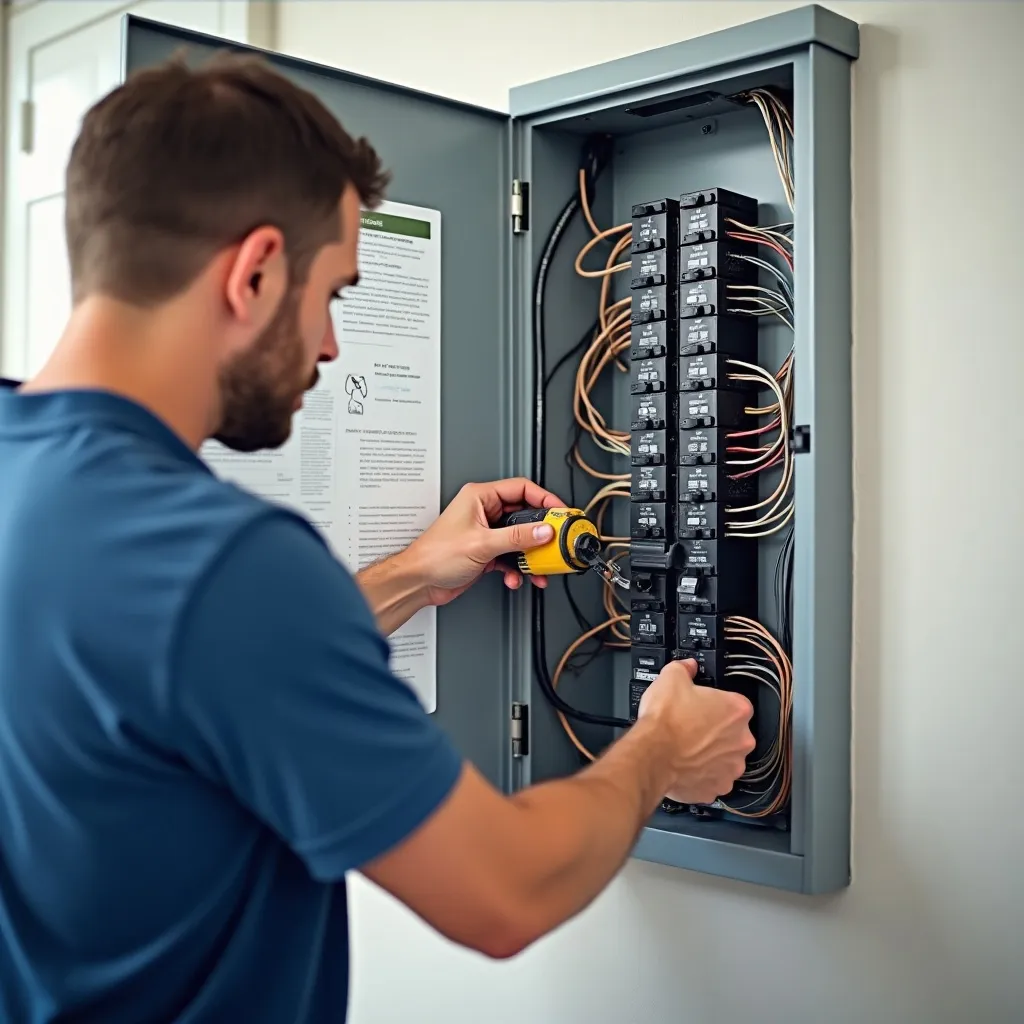
Why Should You Upgrade Your Electrical System for EV Charge Points?
Upgrading an electrical panel is crucial when assessing the installation of electric vehicle (EV) chargers, as outdated systems may not support the amplified power demands. Many legacy systems miss the capacity to handle the supplementary load demanded for EV charging, which can create potential safety hazards and inefficiencies. Moreover, present conductors may be limited, risking overheating or electrical failure.
Homeowners ought to review the expanding movement of EV deployment; a cutting-edge electrical panel delivers compatibility with advancing technologies. Additionally, area codes and regulations frequently require modernized apparatus to meet health and safety requirements. An optimized panel can enhance the installation process, reducing challenges and fees. All things considered, channeling investment into a modern power system simultaneously aids the present requirement for EV charging and fortifies the comprehensive power network, laying groundwork for future improvements and resource-efficient technologies.
Top Benefits of Upgrading Your Electrical Panel for EV Charging
An modernized electrical panel gives several advantages when it comes to supporting EV charging installations. First, it increases the home's power availability, facilitating quicker charging periods and accommodating multiple electric vehicle chargers. This is notably advantageous for households with more than one electric vehicle.
Furthermore, a modern panel improves safety by guaranteeing circuits manage increased loads without the danger of fire hazards or overheating. It also provides improved energy performance, which may lead to reduced power costs over time.
In addition, updating the electrical panel can improve the overall worth of the home, making it more enticing to potential buyers interested in sustainable living options.
To summarize, a current panel commonly offers modern capabilities like smart technology integration, making it possible for homeowners to check energy consumption and optimize charging schedules. Overall, these strengths make upgrading a wise investment for those evaluating EV ownership.
Warning Signs Your Home Needs an Main Panel Enhancement?
Property owners may recognize warning signs suggesting the need for an electrical panel upgrade, in particular ongoing breaker malfunctions and insufficient electrical supply. These obstacles can hinder the operation of new appliances and electric vehicle chargers. Noticing these signs promptly can help prevent more substantial electrical issues in the long term.
A lack of sufficient power supply presents itself in different manners, often pointing to the need for an electrical panel upgrade. Homeowners might notice lights dimming when appliances are in use or face slow device charging, signifying that their existing system cannot meet the demand. Also, having several outlets stop working at once may further indicate an overloaded panel. Energy-intensive appliances, including electric vehicles or HVAC systems, can function inefficiently, causing higher energy bills. When these problems continue, it is crucial to assess the electrical panel's capacity. A panel upgrade not only fixes these issues but also readies the home visit resource for upcoming electrical requirements, guaranteeing safety and energy efficiency. Being aware of these symptoms is vital for keeping a functional and secure living space.
Determining the Correct EV Charger Upon Completion of Your Main Panel Modification
After upgrading the electrical panel, selecting the suitable EV charger becomes vital. Comprehending the different types of chargers and their power requirements will ensure peak performance and compatibility with the home's electrical system. This choice affects charge rate and performance, requiring to assess options carefully.
Charger Categories Summary
Finding the suitable EV charger is vital for boosting the advantages of an upgraded electrical panel. There are three main types of EV chargers: Level 1, Level 2, and DC fast chargers. Level 1 chargers use standard household outlets and are appropriate for overnight charging but present slow charging speeds. Level 2 chargers, needing a dedicated circuit, provide faster charging and are ideal for home use. DC fast chargers are the quickest option, supplying significant power in a short time, but are typically found in public charging stations rather than residential settings. Grasping these types allows homeowners to select a charger that aligns with their driving habits and charging needs, ensuring efficient and effective use of their upgraded electrical systems.
Power Requirements Guide
Reviewing electrical demands is vital for homeowners upgrading their electrical panels to support EV chargers. Each electric vehicle (EV) charger has particular electrical needs, typically measured in kilowatts (kW). Homeowners must consider the amperage and voltage of their new charger to ensure compatibility with the upgraded panel. Level 1 chargers generally demand minimal electricity, while Level 2 chargers require substantially greater power, often requiring a dedicated circuit. Additionally, it is crucial to review the overall load capacity of the electrical panel to avoid overloading. Working with a qualified electrician can offer guidance into the appropriate charger type based on individual driving habits and home energy use, securing a seamless and smooth charging experience.
Understanding the Power Panel Upgrade Procedure
Upgrading an power panel is a crucial action for property owners wanting to install electric vehicle chargers. The procedure begins with an evaluation by a licensed electrician, who examines the current panel's power capacity and state. If the existing panel cannot handle the extra demand, a replacement panel or an enhancement may be necessary.
Once the electrician evaluates the requirements, they will obtain the required permits and schedule the electrical upgrade. The work involves disconnecting electricity, extracting the previous electrical panel, and installing the new one, which may feature supplementary electrical circuits for the EV charger.
Safety is critical during this process, demanding adherence to local codes and regulations. After installation, the electrician will conduct comprehensive testing to confirm functionality and safety before restoring power. This upgrade not only facilitates EV charger installation but also improves the home's overall electrical capacity, preparing it for future energy needs.
What to Expect After Your Electrical Panel Upgrade?
After the electrical panel overhaul, homeowners can receive a array of benefits that elevate both usefulness and safeguarding. One quick refinement is the enhanced capacity to support multiple heavy-load appliances, including electric vehicle (EV) chargers. This upgrade often leads in swifter charging times and the ability to power additional devices without overloading the system.
Moreover, the new panel typically includes sophisticated protective devices that provide better protection against power surges, reducing the risk of fires or equipment damage. Homeowners may also observe enhanced power efficiency, as modern panels can more effectively control electrical loads.
Additionally, the upgrade may strengthen the worth of the home, making it attractive to potential purchasers. Finally, homeowners can foresee a better understanding of their electrical infrastructure, thanks to superior labeling and systematic arrangement of circuits, leading to easier upkeep and issue resolution in the future.
Standard Queries People Ask Often
How Much Will an Electrical Panel Upgrade Normally Expense You?
An electrical panel upgrade generally falls between $1,000 and $3,000, varying with factors such as location, panel size, and installation complexity. Homeowners should obtain numerous estimates for an dependable assessment aligned with their specifications.
Would Upgrading My Panel Influence My Home Insurance?
Modernizing an circuit panel may affect home insurance. Insurers generally see modernized systems as decreased risk, possibly resulting in lower insurance costs. Homeowners should consult their insurance provider to clarify specific impacts and adjustments.
Is it possible to install an EV Charger myself After the upgrade?
Fitting an EV charger solo after an upgrade is viable, but it involves proficiency of electrical expertise and respect to local codes. Consulting a qualified expert is suggested to guarantee soundness and compliance with regulations.
How much time Does the Electrical Panel Replacement Take?
Upgrading your electrical panel typically requires four to eight hours, contingent upon how complex the installation is and the state of your current electrical infrastructure. Homeowners ought to reach out to trained experts for exact timelines based on individual needs.
Can I Receive Any Rebates for Upgrading My Main Panel?
Yes, different incentives may be accessible for updating electrical panels, subject to local utility programs or government subsidies. Homeowners should examine available options and eligibility criteria to increase potential cost reductions during the upgrade process.
Report this page